
Essential Tips for Crime Scene Cleanup Safety

When it comes to crime scene cleanup, safety is paramount. This process can be emotionally and physically taxing. It requires not only a strong stomach but also a keen awareness of safety protocols. Whether you are a professional cleaner or a family member trying to handle a difficult situation, understanding the risks and knowing how to protect yourself is crucial.
In this post, we will explore essential tips for ensuring safety during crime scene cleanup. We will cover the necessary equipment, protective gear, and best practices to follow. By the end of this article, you will have a clearer understanding of how to approach this sensitive task safely.
Understanding the Risks
Before diving into the cleanup process, it is important to understand the risks involved. Crime scenes can contain hazardous materials, including blood, bodily fluids, and other biohazards. These substances can pose serious health risks if not handled properly.
Some common risks include:
Infectious diseases: Bloodborne pathogens can lead to serious infections.
Chemical exposure: Cleaning agents can be harmful if inhaled or if they come into contact with skin.
Physical injuries: Sharp objects or unstable structures can cause cuts or falls.
Recognizing these risks is the first step in ensuring a safe cleanup.
Essential Protective Gear
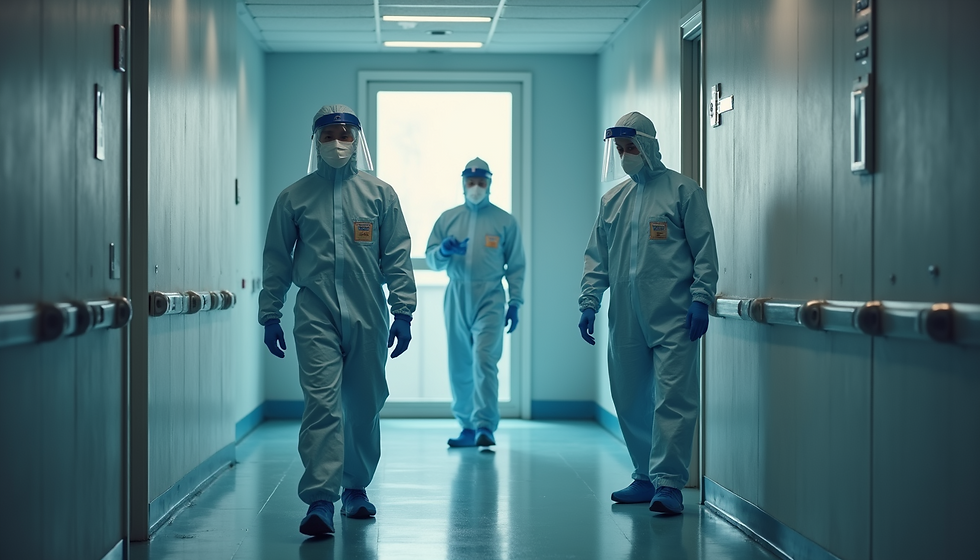
Having the right protective gear is crucial for anyone involved in crime scene cleanup. Here are some essential items you should consider:
Gloves: Use heavy-duty, disposable gloves to protect your hands from contaminants.
Masks: A mask can help prevent inhalation of harmful particles and odors.
Goggles: Protect your eyes from splashes and debris.
Coveralls: Wear disposable coveralls to shield your clothing and skin from contaminants.
Boots: Waterproof, slip-resistant boots can protect your feet and provide stability.
Investing in quality protective gear can make a significant difference in your safety during the cleanup process.
Proper Cleanup Techniques
Once you have your protective gear on, it is time to focus on the cleanup techniques. Here are some best practices to follow:
Assess the Scene: Before starting, take a moment to assess the area. Identify any hazards and plan your approach.
Work from the Outside In: Start cleaning from the outer edges of the scene and work your way inward. This helps prevent cross-contamination.
Use Appropriate Cleaning Solutions: Choose cleaning agents that are effective against biohazards. Always follow the manufacturer's instructions for use.
Dispose of Waste Properly: All biohazardous materials should be disposed of in accordance with local regulations. Use designated biohazard bags for disposal.
Decontaminate Tools and Equipment: After cleaning, ensure that all tools and equipment are thoroughly cleaned and disinfected.
By following these techniques, you can minimize risks and ensure a more effective cleanup.
Emotional Considerations
Crime scene cleanup is not just a physical task; it can also take an emotional toll. It is important to acknowledge the psychological impact of working in such environments. Here are some tips to help manage emotional stress:
Take Breaks: Allow yourself time to step away and regroup. This can help prevent burnout.
Talk About It: Sharing your feelings with someone you trust can provide relief. Consider speaking with a professional if needed.
Practice Self-Care: Engage in activities that help you relax and recharge. This could be anything from exercise to meditation.
Recognizing the emotional aspects of crime scene cleanup is just as important as the physical safety measures.
Training and Certification
If you are considering a career in crime scene cleanup, proper training and certification are essential. Many organizations offer courses that cover safety protocols, cleaning techniques, and legal considerations.
Some benefits of training include:
Increased Safety: Knowledge of safety protocols can help prevent accidents.
Professionalism: Certification can enhance your credibility in the field.
Networking Opportunities: Training programs often connect you with other professionals in the industry.
Investing in training can pay off in the long run, both for your safety and your career.
When to Call Professionals
While some may feel equipped to handle crime scene cleanup on their own, there are situations where it is best to call in professionals. Here are some scenarios to consider:
Large Scenes: If the scene is extensive or involves significant biohazard materials, professional help is advisable.
Emotional Impact: If the situation is too overwhelming, it may be best to let trained professionals handle the cleanup.
Legal Considerations: In some cases, there may be legal requirements for cleanup that professionals are better equipped to handle.
Knowing when to seek help can save you time and ensure a safer cleanup process.
Final Thoughts
Crime scene cleanup is a challenging task that requires careful consideration of safety protocols. By understanding the risks, using proper protective gear, and following best practices, you can navigate this difficult process more safely.
Remember, it is okay to seek help when needed. Whether you are a professional or a family member, prioritizing safety and emotional well-being is essential.

In the end, being prepared and informed can make all the difference. Take the time to educate yourself and ensure that you are ready for whatever challenges may arise. Your safety and well-being are worth it.

Comments